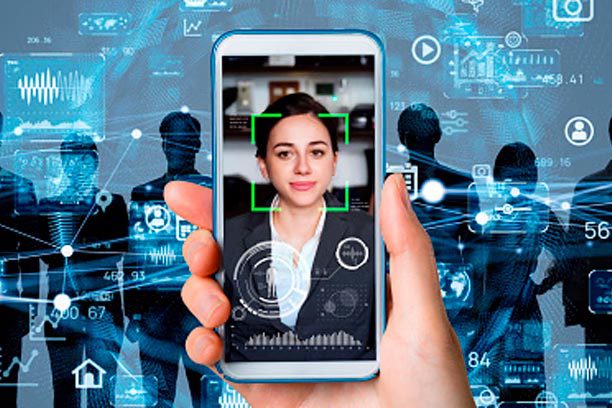
Digital sovereignty is an area of interest in the current internet world where users are incredibly conscious of their data’s privacy. The Fintech Week London 2022 conference gathered several experts in the Fintech space. They explored various concepts and evolution of Fintech, i.e., open banking, crypto, big tech, and Fintech trends, among other things, including digital sovereignty. Speakers such as Irra Ariella Khi (Zamna), Greg Crosby (Incode Technologies), Chor Teh (Moody’s Analytics KYC), and Jamie Capildeo (Prove) strictly discussed aspects of digital sovereignty.
What Is Digital Sovereignty?
What does digital sovereignty mean? First, let’s define sovereignty. Politically, sovereignty refers to a state of power, supremacy, independence, or autonomy. On the other hand, digital sovereignty refers to parties’ ability to control their digital data. Following rapid advancement in the technological space, specifically blockchain technology, discussions around digital sovereignty are on the rise among states, policymakers, service providers, and end users. For instance, European Union is striving to achieve digital sovereignty through its data protection law, the General Data Protection Regulation (GDPR).
Privacy is among major digital sovereignty concerns that have gained traction among the crypto community — many people want to take control over their own identities. However, users reasonably worry about whether platfroms collect their personal data transparently or not. Besides, who and where the information is stored is critical in establishing trust among users.
Why do people strive for digital identity then, and why do developing countries care? The world has gone digital, whereby technology is a central ground for consumers, services, businesses, and governments. How people prove who they are for work, education, or personal use has changed from paper documents to digital identity.
Why Digital Identity Matters
According to the World Bank, one billion people worldwide don’t have basic ID credentials, and many more have IDs of poor quality. Further, the McKinsey Global Institute estimates that 3.4 billion people have some form of ID but a limited ability to use it in the digital world. Digital identities can unlock opportunities for such vulnerable people. It empowers citizens of developing countries with access to rights, effective government and public services and programs. As a result, their participation in the digital economy helps achieve sustainable development goals and financial and social inclusion.
Therefore, the UN launched ID 2020 project, aiming to create digital identities for everyone by 2030. Such a system allows anybody to prove their identity in any part of the world effectively. Replacing credit cards with digital methods that enable online payments can likewise empower travellers in the post-pandemic era.
While many users strive to have a digital identity, authentication is equally important. Businesses must understand how to verify and allow access to the right users. Often digital ID verification entails comparing a user’s readily available proof of identity with:
- What they know (passwords, OTP codes, PINs, and username);
- What they have (digital IDs or devices);
- Who they are (biometrics);
- The context (IP address, a website, mobile app, or geolocation).
The above is compared to a confirmed data set stored in the respective system(s). If a user passes the verification, they get an ID.
Notably, biometrics is considered the ideal authentication form and login security, especially on mobile devices. It’s usually convenient and user-friendly but comes with challenges and “insecurities.” As technology advances, so do cybercriminals. Nowadays, they can replicate biometric models to fool authentication systems.
Protecting Users in the Age of Digital Sovereignty
Digital identity verification solutions are a great way to enable businesses to know who their customers are, ensuring they enjoy an excellent user experience. And identity decentralisation is an approach that would give users control of their legal identity, thus eliminating the need to share their data every time they sign up for a new service, website, or app.
Lastly, it’s essential to protect the consumer in the age of digital sovereignty. Businesses ought to act quickly and decisively to enhance cybersecurity in their platforms. Companies must stay ahead of the curve to deal with the increasing rate and ever-evolving fraud threats. Nonetheless, maintaining a secure online space is the responsibility of both businesses and consumers.