Drofa Comms is delighted to announce that a new op-ed on AI competence at work from Anna Lekomtseva, HR Director at Drofa Comms, has been published on HR.com!
Entitled “The AI Competence Problem: How HR Should Evaluate Work In The Age Of AI,” the article addresses a well-known tension that has long been growing in organisations worldwide. It argues that the more employees rely on AI, the harder it becomes to evaluate them fairly for doing so.
Anna describes AI as “a career marker” that companies have yet to learn to account for. And the division between those who use it openly and those who conceal it is already affecting trust, transparency, and equity inside companies.
The Research Behind the Problem
Key findings from the studies Anna cites provide enough statistical confirmation:
- Engineers using AI were rated approximately 9% less competent than peers doing identical work without it;
- Women faced competency penalties for AI use at roughly twice the rate of men;
- Men both use AI at work more openly and receive more recognition for doing so.
As a result, what emerges is an arms race: employees hide their AI use, managers look for ways to detect it, and actual performance takes a back seat.
What AI Competence Looks Like Now
Anna’s central argument is that the wrong question is being asked. Instead of asking whether AI was used at all, it matters more to ask how, specifically. It’s more important to know whether an employee can articulate their reasoning, exercise judgment throughout the process, and recognise where the tool falls short.
This critical engagement, rather than AI abstinence, is what a competent modern professional actually looks like.
Where HR Comes In
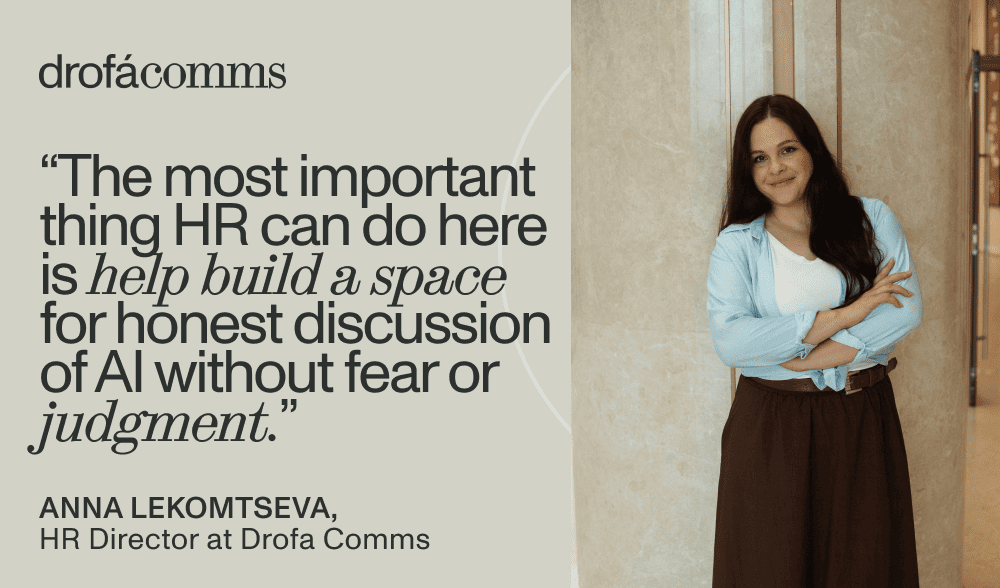
Concluding the piece, Anna calls on organisations not to wait for policy to arrive from the top. HR can lead this shift by implementing honest evaluation criteria and addressing managers’ built-in scepticism around AI. Other than that, they create the psychological safety that lets employees discuss these tools openly, without fear of judgment.
Read the full article on HR.com!